
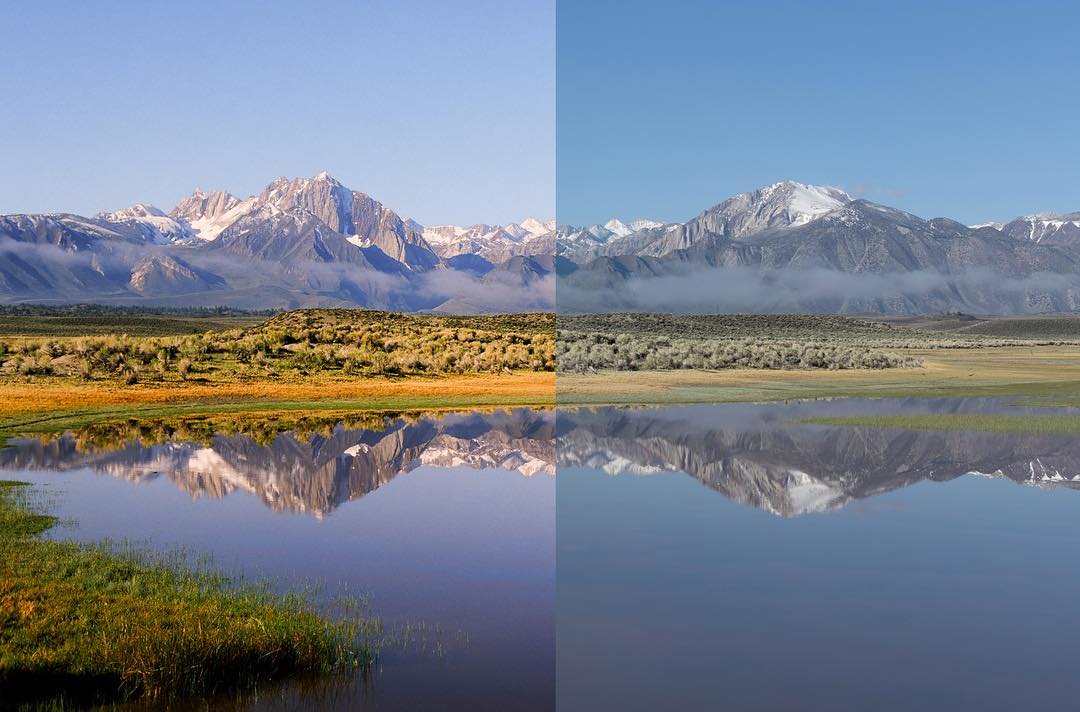
Digital vs Natural
When we create a digital version of something, a photo, a sound, or even a physical object, we’re not copying it perfectly. Instead, we’re translating it into data that computers can store and process: zeros and ones. This digital representation often captures the most important features, but it can never fully replace the natural, original object.
What We Gain
-
Convenience: Digital versions are easy to store, copy, and share instantly.
-
Durability: They don’t wear out, fade, or physically break.
-
Editability: Images can be enhanced, sounds corrected, and documents edited.
-
Searchability: Digital text or data can be stored and found quickly.
What We Lose
-
Full detail: Digital versions simplify reality, pixels replace continuous color, and samples replace continuous sound.
-
Authenticity: Texture, depth, and subtle variations in natural objects may be reduced or lost.
-
Context: A digital snapshot doesn’t always capture the environment, emotion, or physical presence of the real object.
-
Uniqueness: Copies become identical, which sometimes removes the special, one-of-a-kind quality of natural objects.
This blog was created partially with AI. I began by writing the blog in my own words, then used AI to expand on my thoughts and make the flow of my writing smoother. Once AI had edited and made changes to my paper, I proofread and made minor changes once more.
Google. (2025, November 24). Gemini 2.5 Flash [Generative AI]. https://gemini.google.com/.